

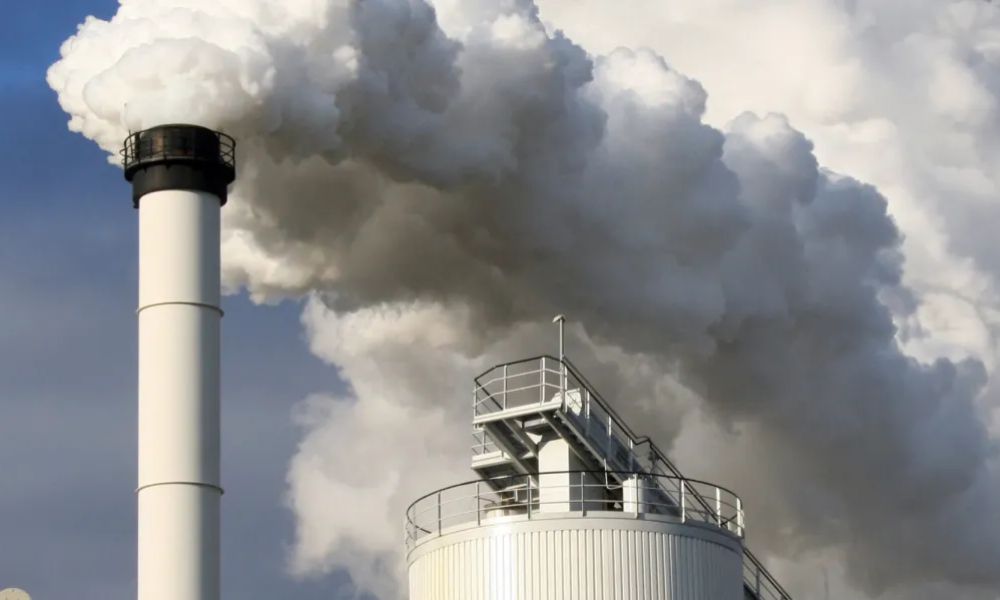
Pollution Prevention and Environmental Protection
Pollution prevention plays a vital role in protecting the environment by conserving natural resources and promoting efficient industrial production. It reduces the burden on households, businesses, and communities to manage waste while supporting sustainable economic growth.
Pollution causes biodiversity loss, global warming, and a reduction in plant and animal species. Environmental degradation directly impacts human health by reducing air and water quality, thereby posing serious threats to life. Therefore, pollution control is extremely important.
Why is Industrial Pollution Important?
Industrial pollution is a major factor in environmental contamination. It leads to environmental degradation and imposes heavy costs on society, public health, and safety. Major polluting industries include textile, cement, glass, plastic, sugar, tanning, and petroleum industries.
Why is Industrial Pollution a Problem?
Industrial pollution affects air, water, and soil quality. It contributes significantly to environmental problems worldwide, leading to illness and loss of life. Industrial activities are among the largest sources of pollution globally.
Main Industrial Pollutants
- Sulphur dioxide
- Volatile organic compounds (VOCs)
- Particulate matter (metal dust, fine particles)
- Dioxins and hazardous chlorinated compounds (from burning plastics)
What is Dust?
Dust consists of fine solid particles suspended in the air. It may originate from soil lifted by wind, volcanic eruptions, or pollution. Household dust often contains 20–50% dead skin cells. Industrial dust, also called process dust, is generated during manufacturing activities such as cutting, drilling, grinding, and sawing. It can also arise from materials like flour, sugar, and pharmaceutical powders.
Misting systems are considered one of the most effective and economical methods of airborne dust control. By using atomized water droplets (typically 50–200 microns), dust particles are captured and prevented from spreading in the air.
Prolonged exposure to industrial dust can lead to severe health conditions, including lung diseases and even cancer. Some fine particles can enter the bloodstream, causing symptoms like nausea and loss of balance. Proper dust extraction and dust control systems are essential to safeguard worker health.
Types of Industrial Dust
1. Metal Dust
Generated during grinding and metal manufacturing processes. It may cause lung and throat irritation. Heavy metals like cobalt, lead, and nickel can be highly toxic. Respiratory protection is essential when working with such materials.
2. Plastic / Fiberglass Dust
Fiberglass dust results from glass wool or plastic processing. It may cause respiratory issues when airborne. Protective masks are recommended when handling fiberglass and plastic materials.
3. Wood Dust
Also known as sawdust, wood dust is produced during sanding, scraping, or cutting wood. It may cause allergic reactions, oral membrane irritation, and potentially cancer if inhaled over long periods.
4. Concrete Dust
Concrete work releases silica dust, which can cause lung thickening, scarring, and even lung cancer. Silica exposure must be strictly controlled in construction and manufacturing environments.
5. Chemical / Pharmaceutical Dust
Generated during the handling of chemical or pharmaceutical powders. These particles can be hazardous if inhaled. Advanced dust collectors are necessary to capture and contain such contaminants effectively.
Dust Classification Categories
Dust is classified into three risk categories based on health impact:
- L Class (Low Risk)
- M Class (Medium Risk)
- H Class (High Risk)
Each category has a maximum allowable concentration limit that employers must understand and comply with.
Examples of Dust in Work Environments
- Mineral dusts (silica, coal, cement)
- Metallic dusts (lead, cadmium, nickel, beryllium)
- Chemical dusts (bulk chemicals, pesticides)
Industrial Air Pollution Control Equipment: Introduction, Types and Uses
Air pollution control equipment is essential in modern industries. Industries such as petroleum, mining, energy production, chemicals, and waste management significantly impact the environment. Every stage of industrial activity—from raw material sourcing to product transportation—produces emissions that affect air, soil, or water.
The main goals of industrial air pollution control equipment are:
- Reduce harmful gas emissions
- Control air pollution spread
- Conserve natural resources
- Minimize health risks caused by airborne pollutants
Types of Industrial Air Pollution Control Equipment
1. Bag Filters
Bag Filters consist of multiple filter bags that trap dust and particles during operation. Collected dust accumulates on the fabric surface and can be cleaned for reuse. Filter bags are typically made of nylon, polypropylene, polyester, or PTFE.
2. Pleated Bag Filters
Pleated Bag Filters increase filtration surface area through pleated media design. This reduces the required space and improves efficiency. They can capture submicron particles and are suitable for both surface and depth filtration.
Benefits of Pleated Bag Filters
- Higher surface area for better filtration
- Reduced pressure drop
- Longer filter life
- Retrofit capability in existing systems
- Lower air requirement for pulse cleaning
3. Cyclone Dust Collectors
Cyclone dust collectors operate using centrifugal force to separate particles from air without filters. They are simple and efficient but are best suited for coarse particles rather than fine powders.
Applications of Cyclone Collectors
- Power plants
- Cement plants
- Pulp and paper plants
- Petroleum and coke industries
- Metallurgical plants
- Sawmills
Conclusion
Industrial air pollution control is essential for protecting the environment and public health. Implementing effective dust and emission control systems ensures regulatory compliance, improved workplace safety, and long-term sustainability. Choosing the right equipment helps industries balance productivity with environmental responsibility.
Leave a Reply
Your email address will not be published.